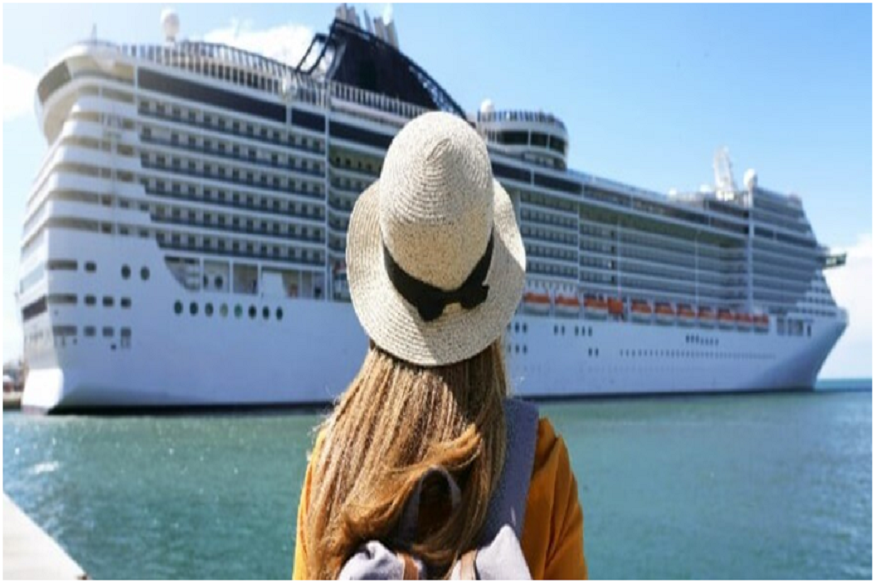
Before booking flights or hotels for an Italy cruise, verify three separate names: the destination used in marketing, the actual embarkation city, and the confirmed terminal or meeting point. They may not be the same place. That difference can change the right airport, hotel night, transfer plan, and arrival buffer.
Understand the naming trap
A brochure needs a recognizable destination. Operations need a port that can handle the ship, current rules, and the scheduled itinerary. Travelers need a precise address and enough time to reach it. Problems start when the recognizable name is treated as the operational answer.
Read More: When Aircraft Design Has a Direct Impact on Survival
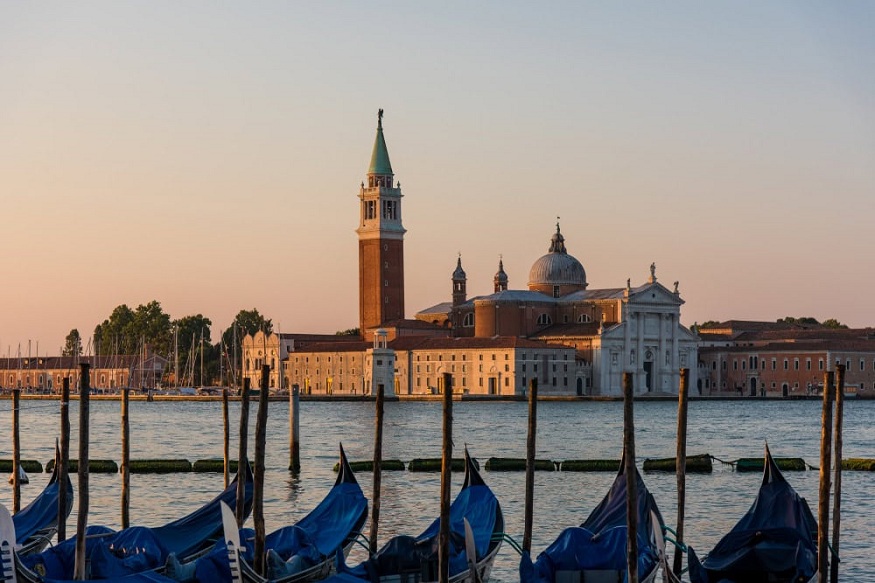
This is especially important around Venice, where a cruise described with the famous city may use an embarkation point elsewhere in the region. The correct arrangement depends on the operator, ship, and sailing. Do not rely on what a friend did on another departure or on a hotel listing that uses “cruise port” loosely.
Before selecting the sailing, use an Italy cruise and land-trip planning guide. The direction of your land route may influence which embarkation point is practical, not merely which itinerary looks appealing.
Follow the right booking order
Use this sequence:
- Select the exact cruise departure, ship, and date.
- Obtain the current embarkation city and terminal instructions from the operator.
- Map the terminal against possible airports and hotel locations.
- Decide where to spend the pre-cruise night.
- Choose a transfer plan with a reasonable margin and a fallback.
- Only then finalize nonrefundable air or hotel arrangements.
If the itinerary uses a Venice-area label, consult the Venice, Ravenna and Trieste cruise-port guide and read the details for the named location that applies. Treat all terminal information as sailing-specific and subject to reconfirmation.
Read More: Himalayan Giants of Nepal: Most Challenging and Longest Treks In Nepal
Keep four documents aligned
Check the cruise invoice, final travel documents, transfer confirmation, and hotel reservation against one another. The city names, pickup address, date, and traveler contact details should tell one coherent story. If the transfer company is meeting you at a hotel, confirm whether service is door-to-door or begins at a designated point.
Allow for luggage, mobility needs, and the possibility that regional transport requires connections. A route that looks acceptable on a map may be awkward with bags or on embarkation morning.
If separate vendors handle the hotel, transfer, and cruise, make sure each has the same current information. Save the local contact details offline so a delayed arrival does not depend on finding an old email.
The safest pause is simple: do not book air because a headline says “Venice” or another famous city. First establish where the ship expects you to be, when it expects you there, and how the preceding hotel night supports that journey. Precise port verification is part of choosing the cruise, not an administrative detail to solve afterward.